
What factors exacerbate body odor?
The primary “accomplice”: a high-fat, high-protein diet.

Diet plays a significant role in the development of bromhidrosis (body odor). High-fat and high-protein foods—such as fried items, meat, and dairy products—make up a large proportion of the modern diet, yet these very foods act to exacerbate body odor.
The metabolism of fats and proteins leads to an increased secretion of lipids and amino acids through the apocrine sweat glands; these substances provide abundant “nutrients” for bacteria, thereby accelerating odor production. Red meats, such as beef and lamb, are particularly problematic; they contain high levels of saturated fatty acids, and their long-term consumption increases the lipid content of sweat.
It is recommended that individuals consume more fiber-rich foods—such as vegetables, fruits, and whole grains—which help the body eliminate toxins and reduce the secretory burden on sweat glands. Conversely, one should limit the intake of spicy or pungent foods, such as chili peppers and garlic, as these can stimulate sweat gland activity and worsen symptoms of body odor.
The second “accomplice”: Synthetic fiber clothing.

Clothing is in the closest contact with our skin, yet many people overlook the impact that fabric materials have on body odor (specifically axillary odor). While synthetic fabrics—such as polyester and nylon—are affordable and durable, they lack breathability and tend to trap sweat.
A hot, humid environment acts as a breeding ground for bacteria; synthetic fabrics accelerate bacterial growth, leading to a more intense odor. In contrast, garments made from natural materials like cotton and linen are more breathable and absorbent, effectively inhibiting bacterial proliferation. Individuals prone to body odor should opt for loose-fitting, breathable clothing and avoid undergarments that fit too tightly against the skin.
The third “accomplice”: Neglecting underarm hygiene and care.
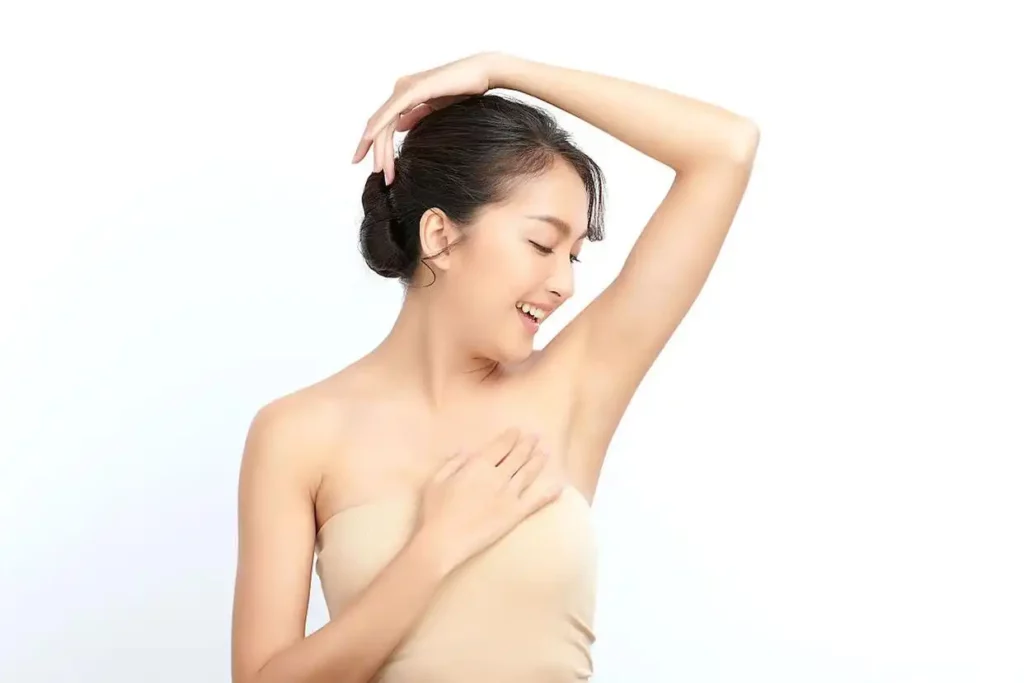
Inadequate underarm hygiene is a major factor contributing to the worsening of body odor. Many people focus solely on surface-level cleansing while neglecting the thorough removal of sweat gland secretions. For individuals with significant underarm hair, the hair can act as a breeding ground for bacteria and trap sweat, thereby intensifying the odor.
It is recommended to wash the underarms daily with warm water and a mild cleanser, shave underarm hair regularly, and use antibacterial sprays or antiperspirants when necessary. However, excessive cleansing can damage the skin barrier and lead to sensitivity; therefore, it is best to choose gentle skincare products.
The Fourth “Accomplice”: Stress and Emotional Fluctuations

Stress and emotional states are also significant triggers for body odor flare-ups. When a person experiences tension, anxiety, or emotional fluctuations, the sympathetic nervous system is activated, leading to a marked increase in secretions from the apocrine sweat glands; this explains why body odor often becomes particularly noticeable during important occasions.
Prolonged stress and anxiety can also affect hormonal levels, further intensifying the activity of the apocrine sweat glands. Patients are advised to learn how to manage their emotions—for instance, by relieving stress through exercise, meditation, or deep breathing—to maintain a calm state of mind.
The fifth “accomplice”: Unhealthy sleep and lifestyle habits.
Unhealthy lifestyle habits—such as staying up late, excessive fatigue, and a lack of exercise—can indirectly affect symptoms of bromhidrosis (body odor). Chronic sleep deprivation disrupts the endocrine system and impairs normal sweat gland function, while a lack of physical activity lowers the body’s metabolic rate, leading to toxin accumulation and intensifying the odor of sweat.
Maintaining a regular daily routine, ensuring adequate sleep, and engaging in aerobic exercise are fundamental to managing body odor. Exercise promotes blood circulation and sweating, improves the skin’s metabolic environment, and helps reduce odor formation.