
How do you deal with underarm odor in the summer?
The moment that makes people feel most self-conscious in summer isn’t the sticky sensation of sweat, but the faint whiff of underarm odor one catches when raising an arm or brushing past someone. Many people bathe and change clothes diligently yet still struggle with body odor; they are afraid to wear short sleeves, raise their arms, or interact closely with others. Even when it isn’t hot, they constantly worry about emitting an unpleasant smell, living their days in a state of anxious caution.
In reality, for most people, body odor is not an innate, “stubborn ailment”—there is no need for feelings of inferiority or blind anxiety. The odor typically arises from a combination of sweat gland secretions, bacterial breakdown, and improper hygiene. By adopting the right multi-pronged approach, you can tackle the issue at its source—reducing or even eliminating the odor—and easily shake off that summer embarrassment.

First, let’s clear up a misconception: why do some people have body odor (specifically underarm odor) even when they maintain good hygiene?
Many people mistakenly believe that underarm odor is caused by a lack of cleanliness, but that is not the case at all. The underarms contain a large number of apocrine sweat glands. The sweat they secrete is odorless on its own, but it contains organic substances such as proteins and fatty acids. When bacteria on the skin’s surface break down these substances, a pungent odor is produced—this is what we commonly call underarm odor.
However, many common, overlooked habits can exacerbate the problem, and most people are guilty of at least one:
Failing to clean up promptly after sweating: In summer, heavy sweating causes sweat to accumulate in the underarm folds. The combination of poor ventilation and high temperatures creates a breeding ground for bacteria, causing the odor to intensify rapidly;
Preferring tight, non-breathable clothing: Synthetic fabrics and tight-fitting clothes trap sweat against the underarms and prevent airflow, allowing bacteria to proliferate continuously; this makes it easy for odor to return even right after a shower;
Excessive shaving or plucking: Dense underarm hair traps sweat and dirt, while frequent, aggressive shaving or plucking can damage hair follicles and the skin barrier, triggering mild inflammation that actually worsens the odor;
Neglecting diet and lifestyle: Regularly consuming spicy, greasy, or salty foods—as well as items like garlic and Chinese chives—along with staying up late and experiencing hormonal imbalances, can stimulate apocrine gland secretion and make the odor more pronounced.

Avoid These Pitfalls! Stop Using These Ineffective Odor-Removal Methods
Many people have tried various folk remedies to eliminate underarm odor; not only are these methods ineffective, but they can also damage the skin and worsen the problem, resulting in a waste of time and effort.
One common mistake is vigorously scrubbing the underarms with body wash or soap. The skin in this area is delicate; excessive cleansing strips away the protective barrier, leading to dryness, sensitivity, and an imbalance in the skin’s microbiome. This actually makes it easier for bacteria to proliferate, causing the odor to intensify the more you wash.
Another mistake is using perfume to mask the smell. Perfume only conceals the odor temporarily; when mixed with underarm odor, it creates an even more unpleasant scent, leading to greater embarrassment during close contact. It treats the symptoms rather than the root cause.

A Multi-Pronged Approach! Science-Backed, Practical Tips to Quickly Banish Underarm Odor
- Daily Hygiene: Targeted Cleansing to Prevent Bacterial Growth
The crucial first step in eliminating odor is to focus specifically on cleansing the underarm area, rather than just giving your body a casual rinse. During your daily shower, pay special attention to the underarm folds; use a gentle amino acid-based cleanser to softly wash away sweat, dirt, and excess oil.
After showering, be sure to dry the underarm area thoroughly to keep it moisture-free. Since dampness fosters bacterial proliferation, maintaining a dry underarm environment tackles the root cause of bacterial growth and significantly reduces odor. During the sweaty summer months, you can wipe your underarms with a damp towel at midday or in the evening, followed by a dry towel to absorb moisture, ensuring you stay fresh and dry throughout the day.
- Hair Management: Moderate grooming to minimize the accumulation of dirt and grime
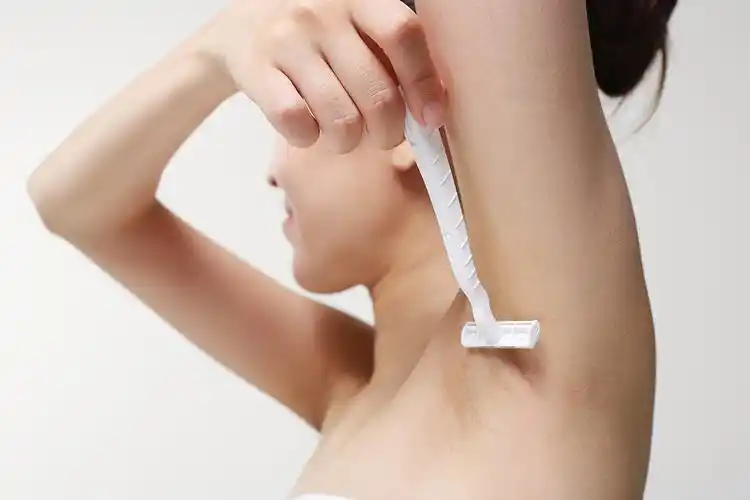
Thick underarm hair acts as a trap for sweat and dirt, easily harboring impurities that intensify body odor. You can gently trim your underarm hair regularly; there is no need to shave it off completely—leaving short stubble is sufficient.
When grooming, use proper shaving tools, ensure they are sanitized beforehand, and handle them gently to avoid scratching the skin. Avoid frequent plucking to protect your hair follicles and skin barrier, thereby minimizing odor at the source.
- Clothing Care: Choose the Right Fabrics to Prevent Odor Retention
Many people overlook the fact that clothing is a major hotspot for lingering odors. Once underarm sweat permeates the fabric fibers, bacteria continue to multiply; even if your body is clean, wearing the same garment again can result in an unpleasant smell.
In your daily life, opt for breathable, sweat-absorbent fabrics like pure cotton, and minimize the use of synthetic fibers, tight-fitting short-sleeved shirts, or tank tops. Change undergarments daily, and do not let sweat-soaked clothes sit for long periods—wash them promptly. When washing, pay special attention to scrubbing the underarm area to prevent odors from setting in.
- Internal Regulation: Adjust Habits to Reduce Abnormal Sweat Gland Secretion
Combining external care with internal regulation yields double the results. Chronic endocrine imbalances and a diet containing stimulating foods are the primary internal causes of excessive apocrine gland secretion.
Try to limit spicy, barbecued, fried, and heavily seasoned foods, as well as strong tea, coffee, and alcohol. Instead, consume plenty of light, fresh vegetables and fruits and drink ample water to boost your metabolism. Additionally, avoid staying up late; maintaining a regular sleep schedule helps stabilize your endocrine system and reduces abnormal sweat secretion, thereby addressing the root cause of the odor.
A Final Note: Don’t Let Body Odor Undermine Your Confidence
For the vast majority of people, underarm odor is a minor physiological issue—not a disease or a hygiene problem. There is absolutely no need to feel inferior, anxious, or mentally drained by it.
Improving body odor is never achieved through a single method; it requires a multi-pronged approach involving cleanliness, keeping the area dry, proper care, and healthy habits. By consistently following these steps, you can manage the issue effectively without resorting to unproven folk remedies or drastic measures.